Reel by Mohamed Salah
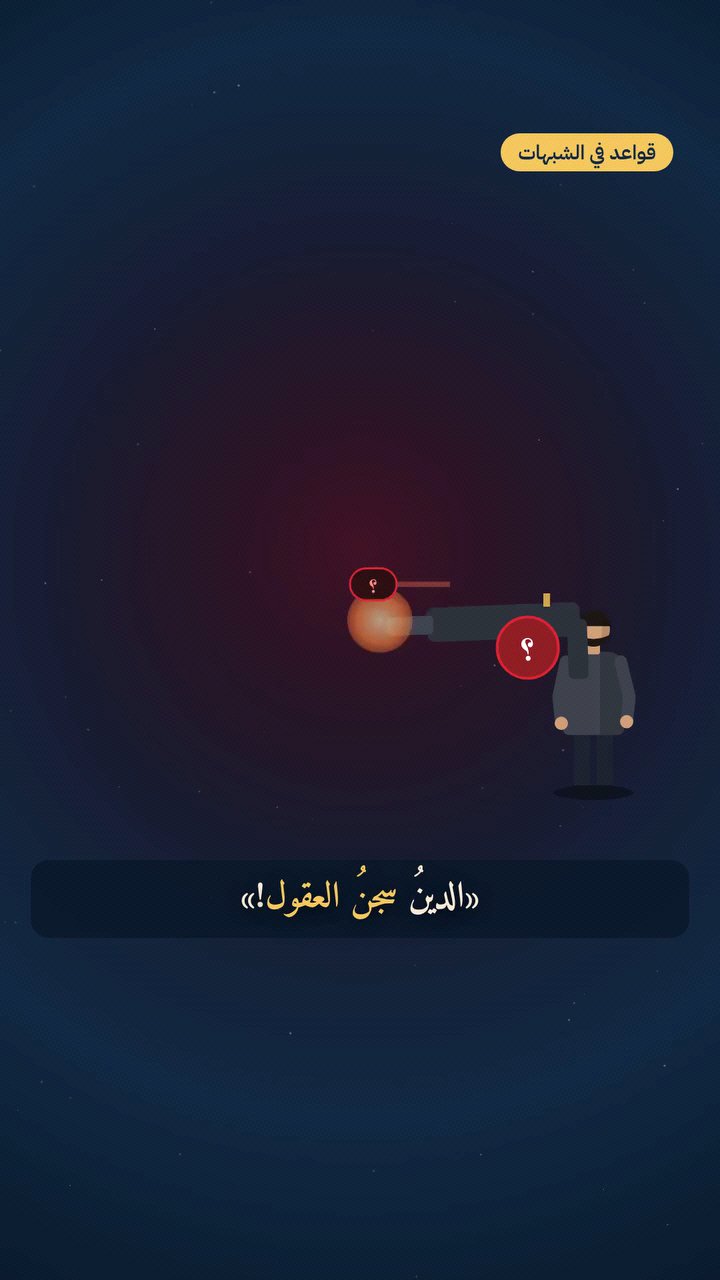
الدين وسجن العقول، حتى الحب حرمتموه، الإسلام يأمر بقتل كل من لا يسلم، والدليل حديثكم الذي تؤمنون به يقول: أمرت أن أقاتل الناس. قبل أن تجيب، تعلم ثلاث قواعد، القاعدة الأولى: تصور قبل أن تحكم، كثير من الشبهات لا تقوم على دليل بل على سوء فهم، وقد قرر العلماء الحكم على الشيء فرع عن تصوره، فالحديث كاملا: أمرت أن أقاتل الناس حتى يشهدوا أن لا إله إلا الله وأن محمدا رسول الله، قال: أقاتل ولم يقل أقتل، والمقاتلة تكون بين طرفين، قتال من يقاتل ويعتدي ويصد عن سبيل الله، وقد أمر الله بقتال الذين يقاتلوننا ونهى عن الاعتداء، فالله لا يحب المعتدين، ولهذا نقل ابن حجر عن الشافعي: ليس القتال من القتل بسبيل، قد يحل قتال الرجل ولا يحل قتله. القاعدة الثانية: اجمع النصوص ولا تقتطع نصا من سياقه، فالناس هنا عام أريد به الخاص، كما قرر جمع من أهل العلم المحاربون المعتدون، والدليل أن النبي صلى الله عليه وسلم عاهد وصالح وقبل الجزية من أهل الكتاب، وتوفي صلى الله عليه وسلم ودرعه مرهونة عند يهودي، وفي القرآن أن الله لم ينهنا عن البر والعدل مع من لم يقاتلنا في الدين. القاعدة الثالثة: رد المتشابه إلى المحكم، ففي القرآن آيات محكمات واضحات هن أصل الكتاب وأخر متشابهات، ومن أعظم المحكمات أن الله حكيم عليم لا يقول إلا حقا، وأن الذي بلغنا عنه هو الصادق الأمين صلى الله عليه وسلم، فما لم أفهمه أرده إلى حكمة الله عز وجل، فعقلي محدود وفهمي محدود وأكيد أن في حكمه حكمة وإن كنت لا أدريها، فعدم علمي بالحكمة ليس علما بعدمها، وبهذه القواعد تسقط الشبهتان الأولان، فالدين لم يسجن العقل بل حرره من عبادة غير الله ومن الخرافات والأوهام والأساطير، والحب ليس حراما، قال صلى الله عليه وسلم: لم نر للمتحابين مثل النكاح، لكن الإسلام وضعه في إطاره حفظا للأعراض والأنساب وتشريفا للمرأة وصونا لها، ومن يقتطع حديثا لم يفهمه كمن يقول الإسلام يتوعد المصلين بالويل، والدليل: فويل للمصلين، أكمل الآية: الذين هم عن صلاتهم ساهون، فالويل للمصلين الساهين عن صلاتهم لا لكل مصل. تصور قبل أن تحكم واجمع ولا تقتطع ورد المتشابه إلى المحكم، فالشبهة تذوب أمام العلم بل تصير حجة على صدق النبوة وصدق الإسلام.
Religion and the imprisonment of minds, even love you have forbidden. Islam orders the killing of everyone who does not submit, and the proof is your hadith that you believe in, which says: I have been ordered to fight the people. Before you answer, learn three rules. The first rule: imagine before you judge. Many suspicions are not based on evidence but on misunderstanding, and scholars have decided that judging a thing is a branch of imagining it. The full hadith is: I have been ordered to fight the people until they testify that there is no god but Allah and that Muhammad is the Messenger of Allah. He said: I fight, and did not say I kill. Fighting is between two parties, fighting those who fight, aggress, and turn away from the path of Allah. Allah has ordered the fighting of those who fight us and forbade aggression, for Allah does not love the aggressors. Therefore, Ibn Hajar quoted Al-Shafi'i: Fighting is not the same as killing; it may be permissible to fight a man, but not permissible to kill him. The second rule: collect the texts and do not cut a text from its context. The people here is a general term intended for the specific, as decided by a group of scholars: the aggressors who are at war. The proof is that the Prophet, peace be upon him, made covenants and peace treaties and accepted the jizya from the People of the Book. He died, peace be upon him, while his shield was mortgaged to a Jew. In the Quran, Allah has not forbidden us from righteousness and justice with those who have not fought us in religion. The third rule: return the ambiguous to the clear. In the Quran, there are clear, decisive verses that are the foundation of the Book, and others that are ambiguous. One of the greatest decisive truths is that Allah is Wise and All-Knowing, and does not say anything but the truth, and that the one who conveyed it to us is the truthful and trustworthy one, may Allah bless him and grant him peace. So, what I do not understand, I return to the wisdom of Allah Almighty, for my mind is limited, my understanding is limited, and it is certain that there is wisdom in His judgment, even if I do not know it. My lack of knowledge of the wisdom is not knowledge of its absence. With these rules, the first two suspicions fall away. Religion did not imprison the mind but liberated it from the worship of other than Allah and from superstitions, illusions, and myths. Love is not forbidden. The Prophet, peace be upon him, said: We have not seen anything for those who love each other like marriage. But Islam placed it in its framework to preserve honor and lineage, and to honor and protect women. Whoever cuts a hadith without understanding it is like someone who says: Islam threatens those who pray with woe, and the proof is: Woe to those who pray. Complete the verse: those who are heedless of their prayer. So, woe is for those who pray who are heedless of their prayer, not for every person who prays. Imagine before you judge, collect and do not cut, and return the ambiguous to the clear, for the suspicion melts before knowledge, and even becomes a proof of the truthfulness of Prophethood and the truthfulness of Islam.